
Flash vs. Continuous Lighting: Which Should You Use?
Adequately lighting your studio for a photo shoot is important; after all, you want to make sure that you’re creating the perfect atmosphere in your photos, not only to create a great looking picture, but reducing the time you will need to spend editing later on!
There are a variety of different ways to light a space ready for a photography shoot, but there seems to be a long running debate in the photography world as to which one is the best; flash or continuous lighting.
In order to help settle this debate, we’ve decided to look at the advantages and disadvantages to help you make up your mind!
Continuous Lighting
Continuous lighting is lighting which is provided from sources such as tungsten bulb – or hot lights as they are sometimes called, and fluorescent tubes. They do exactly what you’d expect – provide constant light which remains on until you – the photographer – turns them off when they aren’t required.
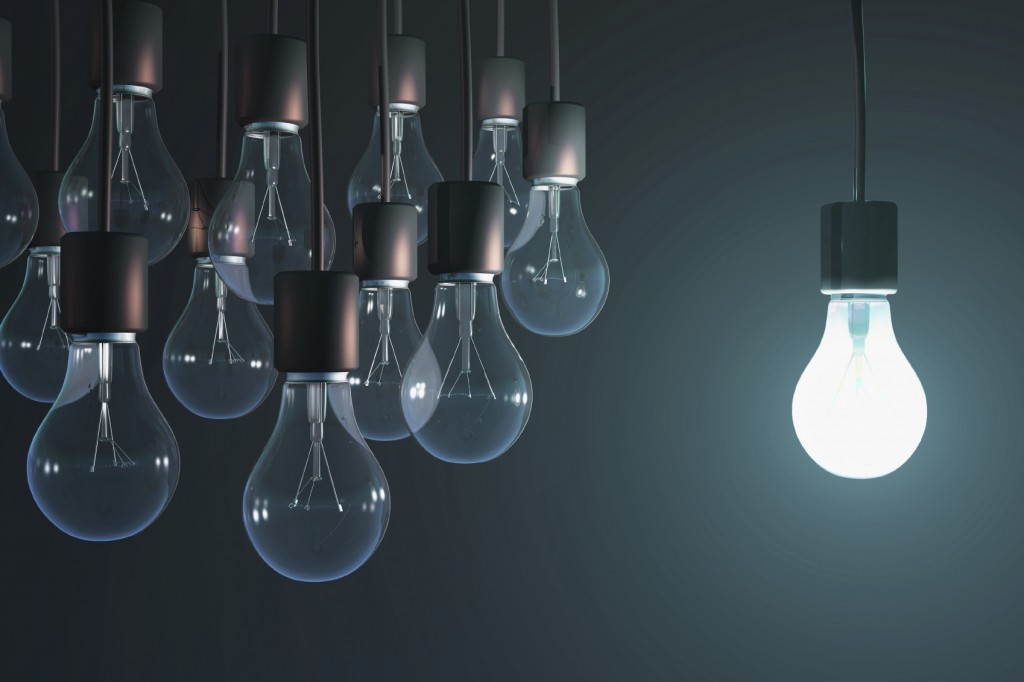
It is often seen as the easier way to light your studio space for a photo shoot as it allows a photographer to see the setup of the shoot before even stepping behind the lens and snapping a picture. This can be extremely beneficial, especially if you are conscious about how shadows will fall over your subject and which areas will be illuminated etc.
Another advantage is that it doesn’t really matter what camera you will be using. Whether it’s a small, cheap point and shoot or a top of the range DSLR, you can adjust the lighting easily to make your composition look perfect, something which can often be difficult when just using a flash.
However, some continuous lighting options can be extremely dangerous; especially tungsten lights which get incredibly hot. Not only does this make your studio environment hot and uncomfortable, you are running the risk of blown bulbs, too, especially if you have a long shoot ahead of you!
Flashes
Flashes are considered to be an essential piece of kit for any photographer – that’s why many compact cameras come complete with inbuilt flashes.
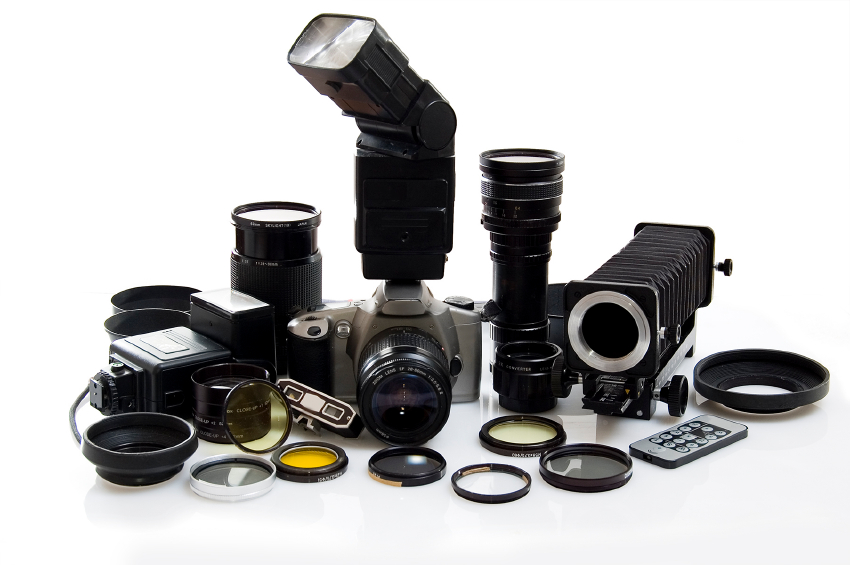
Flashes don’t produce heat, making it a more comfortable option for lighting a composition, not only for you as the photographer, but for the subject of your photo shoot too!
The majority of flashes come in a colour which is extremely close to that or natural daylight, making it easier to achieve a more naturally lit scene, reducing the editing time needed in post production if this is something that you are looking to achieve.
They are also much safer than using tungsten lighting – there’s a huge reduction in the risk of fire, especially if the flash is used in the correct way.
However, you will need to prepare the shot before taking it as it can sometimes be harder to predict how the flash will affect the look and feel of the scene. Although flashes are great for capturing a moment of movement in a freeze frame style, you need to be confident that the lighting will compliment your composition.
It’s also worth noting that flashes may not work on all camera models, so it is advisable to do your research before buying a new flash for your camera.
What do you think? Both lighting formats have their benefits and disadvantages, but we think that it all depends on the environment that you are working in and the atmosphere that you’re wanting to create as to which you should use!
If you’re looking to get some cash for your old camera, feel free to get in touch with us today! As we’re a specialist used camera exchange, we’re sure to be able to help you!


