
Landscape photography
We’re very lucky to have beautiful scenery in the UK, but taking great landscape shots that capture the beauty of a location isn’t often easy. As with most things in life, practice makes perfect.
I would say early mornings and late evenings are the best times for shooting landscapes.
Wide angle lenses are commonly used for landscapes because they will allow you to include more in the frame. To include as much as the scenery possible, use a long depth of field. Using a more closed aperture makes the depth of field longer. This allows for more things to be in focus. While blurring out the background is sometimes preferred, with landscape photos, we often want to have many elements in focus.
Whenever possible, place something of interest in the foreground of the shot to create a sense of depth. Direction of light is also important, shooting distant views can look very flat and uninspiring with the light behind you. Clear conditions can allow impressive detailed views over many miles. A dark and moody landscape can often benefit from being turned into black & white. Although a crystal-clear blue sky looks fantastic, clouds add interest to skies, and are worth looking out for. You can use circular polariser to deepen blue skies, make fluffy white clouds really stand out and to reduce unwanted reflections on water and glass surfaces.
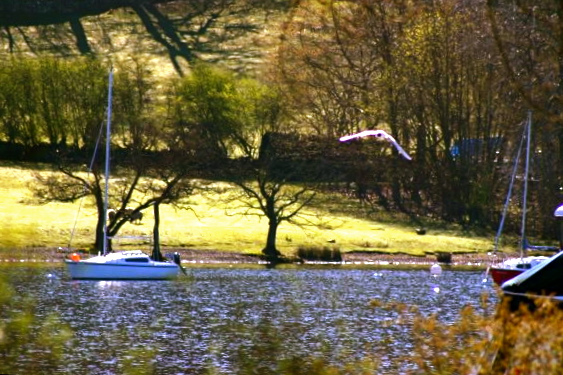
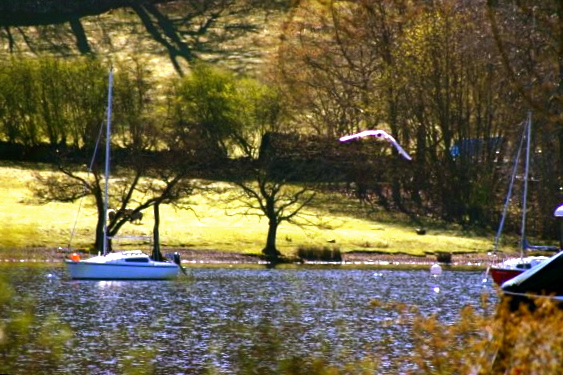
Also ensure that you set your white balance according to lighting conditions; if it’s lovely and bright like this shot, set it to Sunny, but if it’s dull and grey, setting your white balance to Shade or Cloudy
will help to warm things up a bit.
As you discover new ways to enhance your images a whole new world opens up. You will be able to look at a scene in a different way completely.
Start today and have fun with landscape photography!


I have been checking out a few of your posts and i can claim nice stuff. I will definitely bookmark your website.
This blog absolutely keeps looking better every day.
You should truly be proud.